Showing posts with label anti-aging. Show all posts

Saturday, January 16, 2010

Cordyceps Sinensis

Description:
"The caterpillar fungus or Tochukaso has been highly regarded in Chinese medicine for many centuries. It is not a mushroom type fungus and the fruiting structure cannot be cultivated or cultured. The complete structure can be used in many forms, whole, powdered or extracted and has many applications in Chinese medicine (Hobbs, 1995; Halpern, 1999). Anti-cancer polysaccharides have been isolated from several species of Cordyceps and some have been shown to have hypoglycaemic activity as well (Jones, 1997; Itami and Yahagi, 1990; Kun 1998). A major concern with herbal medicine using Cordyceps collected from nature is quality and safety.

However, the pure mycelium of these parasitic fungi can now be easily cultivated in fermentors and is attracting considerable interest as an agent to treat fatigue and improve motor function (Mizuno, 1999). The major chemical, pharmacological and toxicological studies on Cordyceps sinensis have been reviewed for English and Chinese literature by Zhu et al. (1988a,b). These studies show that the main activities of the fungus are in oxygen-free-radical scavenging.

With this particular fungus it is clear that there will be increased usage of fermenter-produced mycelium. Such methods use selected media under aseptic conditions, providing better quality and homogeneity through process control.

Key active constituents:
Galactomannans (antitumour, immunostimulating)
Cordycepin
Sterols"[1]


Benefits
"Animal, human, and in vitro studies confirm that this mushroom enhances aerobic capacity and cellular energy stores, reduces myocardial (heart muscle) oxygen consumption, lowers cholesterol, prevents damage to cells caused by free radicals, and normalizes immune function. In human studies, cordyceps was found to prevent immunosuppression and help restore normal macrophage and natural killer (NK) cell activity. In one study, it helped reduce tumor size in 50 percent of the patients." [2]

"Cordyceps has also been found to improve lung function and symptoms of chronic bronchitis."[3]


[1] Medicinal mushrooms: their therapeutic properties and current medical usage with special emphasis on cancer treatments. Chapter 3C

[2](Adaptogens: Herbs for Strength, Stamina, and Stress Relief, pg. 152)

[3](Adaptogens: Herbs for Strength, Stamina, and Stress Relief, pg. 153)

Friday, January 15, 2010

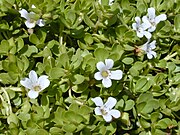
Bacopa monnieri


Bacopa is, without a doubt, one of the most interesting and promising natural nootropics out there. It has several mechanisms by which it exerts its cognitive enhancing effects. It may also have anti-aging qualities in relevance to its cancer fighting and antioxidant propeties.

The following information comes from a monograph detailing the findings of various experiments done on bacopa. Also, after the references, there are additional studies which were found independently outside of the monograph.


Nootropic activity

"Based on animal study results, bacosides appear to have antioxidant activity in the hippocampus, frontal cortex, and striatum."[12]


"The bacosides aid in repair of damaged neurons by enhancing kinase activity, neuronal synthesis, and restoration of synaptic activity, and ultimately nerve impluse transmission."[10]

"Bacopa's ability to modulate or enhance cognitive function has also been studied in children. Forty children from rural India (ages 6-8) were divided into treatment and placebo groups of 20 children each. Children in the treatment group received one teaspoon Bacopa syrup (350 mg Bacopa powder/teaspoonful) three times daily for three months. The placebo group received Syrup Simplex (details not available). A series of tests measuring visuomotor and perceptual abilities and memory span were adminstered at baseline and at the end of treatment. Significant improvement were noted in strengthened exploratory drive (as measured by maze learning), improved perceptual images of patterns, and increased perceptual organization and reasoning ability (as measured by reaction time). This study however, was not double-blinded."[22]

"A double-blind, randomized, placebo-controlled trial of 36 children with diagnosed attention deficit/hyperactivity disorder was conducted over a 16-week period. Nineteen children received an extract of Bacopa (standardized to contain 20-percent bacosides) at a dosage of 50 mg twice daily for 12 weeks, and 17 subjects were given a placebo. The mean age of the children in the two groups was 8.3 years and 9.3 years, respectively. Active drug treatment was followed by four weeks of placebo and the children were evaluated on numerous cognitive function tests at baseline, four, eight, 12, and 16 weeks. A significant benefit was observed in Bacopa-treated subjects at 12 weeks as evidenced by improvement on sentence repetition, logical memory, and paired associate learning tasks. Evaluation showed these improvements were maintain at 16 weeks (after four weeks placebo adminstration)."[23]


Physiological
"In animals Bacopa has a relaxant effect on pulmonary arteries, aorta, trachea, and ileal and bronchial tissue, possibly mediated by inhibition of calcium-ion influx into cell membranes."[16]


Anti-Infammatory
"Bacopa... possesses anti-inflammatory activity"[18]

Cancer
"In vitro research suggest an anticancer effect for Bacopa extract, possibly due to inhibition of DNA replication in cancer cell lines."[19]


Anti-Anxiety
"Research using a rat model of clinical anxiety demonstrated a Bacopa extract of 25-percent bacoside A exerted anxiolytic activity comparable to Lorazepam, a common benzodiazapene anxiolytic drug. Importantly, the Bacopa extract did not induce amnesia, side effects associated with Lorazepam, but instead had a memory-enhancing effect."[24]

"A one-month, limited clinical trial of 35 patients with diagnosed anxiety neurosis demonstrated that adminstration of Brahmi syrup (30 mL daily in two divided doses, equivalent to 12 g dry crude extract of Bacopa) resulted in a significant decrease in anxiety symptoms, level of anxiety, level of disability, and mental fatigue, and an increase in immediate memory span. Other changes noted were increased body weight, decreased respiration rate, and decreased systolic blood pressure."[25]

[10] Singh HK, Dhawan BN. Neuropsychopharmacological effects of the Ayurvedic nootropic Bacopa monniera Linn. (Brahmi). Indian J Pharmacol 1997;29:S359-S365

[12] Bhattacharya SK, Bhattacharya A, Kumar A, Ghostal S. Antioxidant activity of Bacopa monniera in rat frontal cortex, striatum, and hippocampus. Phytother Res 2000;14:174-179

[16] Channa S, Dar A, Yaqoob M, et al. Broncho-vasodilatory activity of fractions and pure constituents isolated from Bacopa monniera. J Ethnopharmacol 2003;86:27-35

[18] Jain P, Khanna NK, Trehan TN, et al. Antiinflammatory effects of an Ayurvedic preparation, Brahmi Rasayan, in rodents. Indian J Exp Biol 1994;32:633-636

[19] Elangovan V, Govindasamy S, Ramamoorthy N, Balasubramaanian K. In vitro studies on the anticancer activity of Bacopa monnieri Fitoterapia 1995;66:211-215

[22] Sharma R, Chaturvedic C, Tewari PV. Efficacy of Bacopa monnieri in revitalizing intellectual functions in children. J Res Edu Indian Med 1987;Jan-June:1-12

[23] Negi KS, Singh YD, Kushwaha KP, et al. Clinical evaluation of memory enhancing properties of Memory Plus in children with attention deficit Ayurvedic nootropic Bacopa monniera Linn.

[24] Bhattacharya SK, Ghosal S. Anxiolytic activity of standardized extract of Bacopa monniera in an experimental study. Pytomedicine 1998;5:77-82.

[25] Singh RH, Singh L. Studies on the anti-anxiety effect of the Medyha Rasayanna drug, Brahmi (Bacopa monniera Wettst.)-Part 1. J Res Ayur Siddha 1980;1:133-148

Independent Research
OBJECTIVES: The aim was to design an alternative solvent-free extraction method using the hydrophilic lipid Gelucire (polyethylene glycol glycerides) for herbal extraction and to confirm the efficacy of extraction using biological screening.

METHODS: Bacopa monniera Linn. (BM) was selected for the study. Conventional methanolic extract (MEBM), Ayurvedic ghrita (AGBM) and lipid extracts (LEBM) were prepared and standardised by high-performance thin-layer chromatography (HPTLC). Nootropic activity in rats was evaluated using the two-trial Y-maze test and the anterograde amnesia induced by scopolamine (1 mg/kg i.p.) determined by the conditioned avoidance response. The extracts were administered daily at doses of 100, 200 and 400 mg/kg orally. At the end of the conditioned avoidance response test, brain monoamine levels were estimated by HPLC.

KEY FINDINGS: The LEBM, MEBM and AGBM contained 3.56%, 4.10% and 0.005% bacoside A, respectively. Significantly greater spatial recognition was observed with LEBM (P < 0.001 at 400 and 200 mg/kg) and MEBM (P < 0.001 at 400 mg/kg, P < 0.01 at 200 mg/kg) than AGBM. The conditioned avoidance response was significantly higher in the groups treated with high doses of LEBM and MEBM than AGBM. There were significant decreases in brain noradrenaline (P < 0.001) and 5-hydroxytryptamine (P < 0.01) levels and an increase in dopamine levels (P < 0.05) in the LEBM-treated groups compared with the stress control group.

CONCLUSIONS: The proposed LEBM is solvent free, does not have the shortcomings associated with conventional extraction, and had comparable nootropic activity to the MEBM.[1]

ETHNOPHARMACOLOGICAL RELEVANCE: Bacopa monnieri (L.) Wettst., a plant belonging to the family Scrophulariaceae, has been used in the traditional system of Ayurvedic medicine to improve intelligence and memory for a long time. Therefore, the potential of this plant to protect against Alzheimer's disease has been raised but less supported document is available.

AIM OF THE STUDY: To determine the effect of alcoholic extract of Bacopa monnieri on cognitive function and neurodegeneration in animal model of Alzheimer's disease induced by ethylcholine aziridinium ion (AF64A).

MATERIALS AND METHODS: Male Wistar rats were orally given the alcoholic extract of Bacopa monnieri at doses of 20, 40 and 80 mg/kg BW via feeding needle for a period of 2 weeks before and 1 week after the intracerebroventricular administration of AF64A bilaterally. Rats were tested for spatial memory using Morris water maze test and the density of neurons and cholinergic neurons was determined using histological techniques 7 days after AF64A administration.

RESULTS: Bacopa monnieri extract improved the escape latency time (p<.01) in Morris water maze test. Moreover, the reduction of neurons and cholinergic neuron densities were also mitigated.

CONCLUSION: These findings suggest that Bacopa monnieri is a potential cognitive enhancer and neuroprotectant against Alzheimer's disease. Copyright 2009 Elsevier Ireland Ltd. All rights reserved.[2]

In the present study, the effects of Bacopa monnieri and its active component, bacoside A, on motor deficit and alterations of GABA receptor functional regulation in the cerebellum of epileptic rats were investigated. Scatchard analysis of [(3)H]GABA and [(3)H]bicuculline in the cerebellum of epileptic rats revealed a significant decrease in B(max) compared with control. Real-time polymerase chain reaction amplification of GABA(A) receptor subunits-GABA(Aalpha1), GABA(Aalpha5,) and GABA(Adelta)-was downregulated (P<0.001) in the cerebellum of epileptic rats compared with control rats. Epileptic rats exhibit deficits in radial arm and Y-maze performance. Treatment with B. monnieri and bacoside A reversed these changes to near-control levels. Our results suggest that changes in GABAergic activity, motor learning, and memory deficit are induced by the occurrence of repetitive seizures. Treatment with B. monnieri and bacoside A prevents the occurrence of seizures thereby reducing the impairment of GABAergic activity, motor learning, and memory deficit. Copyright © 2010 Elsevier Inc. All rights reserved.[3]

4.4 Pre-clinical and clinical studies of the cognitive effects of Bacopa
In a subsequent study the same authors investigated the constituents responsible for Bacopa’s effect and demonstrated that the isolated bacosides A and B were effective in enhancing memory in rats in learning tasks involving both positive and negative reinforcement (Singh & Dhawan, 1997; Singh et al., 1988). Additionally, this study demonstrated that the bacosides produced changes in the hippocampus, cerebral cortex (areas critical to memory function) and hypothalamus regions of the brain and caused enhanced levels of protein kinase activity and increases in protein levels in these regions. This indicated positive implications for improved neurotransmission and repair of damaged neurons via enhanced regeneration of nerve synapses (Singh & Dhawan, 1997).

A recent study concurs with Singh and Dhawan’s findings regarding the effects of isolated Bacopa saponins on memory. Administration of bacosides to mice attenuated experimentally induced anterograde amnesia and improved memory as measured by a well validated learning task- the Morris Water maze test (Kishore & Singh, 2005).

4.4.1.1 Cholinergic effects
The diminished ability to learn and recall new information is a strong feature of Alzheimer’s disease. In rat models of Alzheimer’s disease, Bacopa was shown to significantly promote memory as well as reversing induced reductions of acetylcholine (ACh) in the frontal cortex and hippocampus regions. The activity of choline acetyltransferase (ChAT- a key catalyst in the production of ACh), and muscarinic receptor binding of ACh were also improved (Bhattacharya, Kumar & Ghosal, 1999). ACh is a neurotransmitter which plays an important role in memory and learning functions in the cerebral cortex and the hippocampus (Carlson, 2002:106). Furthermore, depletion of ChAT and hence ACh, is one of the central neuropathological features of Alzheimer’s disease (World Health Organisation, 1992, cited in Henderson & Jorm, 1998). Bhattacharya et al. (1999), demonstrated that the mechanism of action of Bacopa is likely to be, at least in part, related to cholinergic modulation.


Further support for a cholinergic effect of Bacopa comes from two other animal studies. Firstly, Das and colleagues (2002) demonstrated an in-vitro, dose dependent, partial inhibition of the activity of acetylcholinesterase (AChE- the post-synaptic enzyme which breaks down ACh), as well as significantly attenuated cognitive performance observed in-vivo in rats with scopolamine-induced dementia. Secondly, an early study by Dey et al. (1964) demonstrated hypotensive and bradycardic effects in cats with administration of intravenous Bacopa, leading these researchers to postulate that the mechanism was via cholinergic activation because the effect was partly (60-70%) blocked by atropine, (atropine blocks muscarinic ACh receptors).

4.4.1.2 Antioxidant activity
The antioxidant activity of Bacopa has been reported in a number of laboratory studies (Tripathi et al., 1996; Bhattacharya et al., 2000; Sairam et al., 2001; Sumathy et al., 2001, 2002; Russo et al., 2003a, 2003b). Antioxidant effects of Bacopa in areas of the brain that are key memory areas- the hippocampus, frontal cortex and striatum- have been documented by Bhattacharya et al. (2000) in rat brain. Bacopa was shown to protect the brain (Sumathy et al., 2002) and liver (Sumathy et al., 2001), from morphine-induced inhibition of antioxidant enzyme systems. Russo et al. (2005) demonstrated a free radical scavenging activity which protected against cytotoxicity and DNA damage in human fibroblasts (Russo, et al., 2003a). Further research by Russo et al. (2003b), also demonstrated that Bacopa significantly reduced oxidation and DNA damage in cultured rat astrocytes induced by a nitric oxide donor.

Furthermore, Anbarasi et al. (2005) demonstrated that isolated bacoside A protected rat brain tissue from various parameters of oxidative stress caused by chronic cigarette smoke exposure. One of the foremost theories of brain ageing asserts that free radical damage results in both ageing-related changes in healthy brains (Trollor & Valenzuela, 2001) and in neurodegenerative pathology, such as Alzheimer’s disease (Singh, et al., 2004). Good antioxidant status is associated with better memory performance in the aged (Perrig, 1987) and antioxidant therapy has been targeted as a promising dementia strategy by Jorm, one of Australia’s foremost authorities on dementia (Jorm, 2002).

Thus, the demonstrated antioxidant effects of Bacopa, particularly in brain tissue, support its potential as a therapy in neurodegenerative pathologies and age-related cognitive decline. Stress elicits a defensive response in living organisms. The defence response involves several mechanisms including stress gene expression, enhanced antioxidant protection, and enhanced toxin clearance. Bacopa has been shown to facilitate each of these adaptive resources by modulation of Hsp 70 expression, and enhancement of activity of both superoxide dismutase and cytochrome P450 enzymes in stressor exposed rat brain (Chowdhuri et al., 2002). Thus, Bacopa may facilitate the capacity of the brain to withstand stress, and help the brain to function under adverse conditions. These findings support the afore-mentioned medhya rasayana classification of Bacopa in ancient Ayurveda in that they imply a brain tonic and adaptogenic effect (adaptogenic meaning improved resistance to stress). This may indicate some similarities with Panax ginseng (another dammarane saponin-containing herb as mentioned previously), which is considered to be a major adaptogen and tonic, enhancing resistance to stress in numerous experimental situations as well as clinical trials (Blumenthal, 2003: 214-226; Mills & Bone 2000:420-427). [4]

[1]Nootropic activity of lipid-based extract of Bacopa monniera Linn. compared with traditional preparation and extracts.

[2] Cognitive enhancement and neuroprotective effects of Bacopa monnieri in Alzheimer's disease model.

[3] Behavioral deficit and decreased GABA receptor functional regulation in the cerebellum of epileptic rats: Effect of Bacopa monnieri and bacoside A.

[4] Morgan, AK 2006, `Grey matters: does Bacopa monnieri improve memory performance in older persons', Masters thesis, Southern Cross University, Lismore, NSW.

Deprenyl: The Anti-aging pharmaceutical

Deprenyl is one of those rare pharmaceutical, which, against convention, may actually increase human life-span. It is considered a nootropic[1]. It essentially works as an MAOI, allowing for more dopamine to be present in the synapse. As such it is boasted as an anti-depressant as well. Dopamine is a central neurotransmitter which affects everything from learning to mood. The studies which reported its anti-aging effects came from rat studies[2]. In the study it boosted life span by 40%. The effect comes from providing anti-oxidant support to several parts of the brain[1] as well as other possible mechanisms. It also increased learning abilities in the form of spatial memory as stated in the following quote:

In conclusion, we have demonstrated that deprenyl increases spatial memory performance in aged male rats and this effect may be related to the decrease in lipid peroxidation with deprenyl treatment and can prevent age-related neuronal loss.[1]


[1] Deprenyl and the Relationship Between Its Effects on Spatial Memory, Oxidant Stress and Hippocampal Neurons in Aged Male Rats

[2] Why (−)deprenyl prolongs survivals of experimental animals: Increase of anti-oxidant enzymes in brain and other body tissues as well as mobilization of various humoral factors may lead to systemic anti-aging effects

Jiaogulan: Herb of Immortality


The following is a summary I produced using a book which google has out for limited public viewing called Wonder Herbs: A Guide to Three Adaptogens by J. P. MD Saleeby. Bit of a pain as the book contains no copy & paste function, as such it was done manually. Given the time taken I thought I'd have it posted in public locations for easy viewing. I felt such a remarkable herb should be given more publicity, especially given its market potential and healing attributes.

Properties
- Adaptogenic
- Regulates Cholesterol[1][9] & Blood Pressure
- Strengthens the immune system[2][3]
- Effective in the Treatment of Hypertension[4]
- Improves circulation & cardiovascular function[11][12]
- Increases stamina[11][12]
- Reduces stress
- Weight loss aid[5]
- Increases Nutrient absorption[5]
- Stimulates liver function[6]
- Anti-Inflammatory[6]
- Reduces blood sugar[7]
- Antioxidant[8]
- Increases SOD[8]
- Promotes restful sleep
- Increases Vitamin D[9]
- Lowers risk of heart attack[9]
- Anti-cancer[10]


Studies
"Nearly 300 scientific papers on Jiagoulan and its saponins have been published in respected scientific journals."

-------
1 "In a number of studies, the effectiveness of treatment using gypenosides to lower total cholesterol was shown to be as much as 63 percent." (Wonder Herbs: A Guide to Three Adaptogens, pg. 55)

2"Jiaogulan strengthens the immune system by preventing stress hormones that weaken immunity from overpowering the body, making a person more vulnerable to illness." (Wonder Herbs: A Guide to Three Adaptogens, pg. 56)

3"Research suggests that a daily dose of Jiaogulan could lessen the risk of colds, flu and infection by increasing the production of infection-fighting blood cells. In one controlled study, young rats fed with jiaogulan extract showed an increase in the number of T-lymphocytes." (Wonder Herbs: A Guide to Three Adaptogens, pg. 57)

4 "In a clinical trial of patients suffering from hypertension, the effect of Jiaogulan were compared with that of ginseng. The results revealed that 82 percent of those taking Jiaogulan noted improvement in their condition as opposed to only 46 percent of those taking ginseng." (Wonder Herbs: A Guide to Three Adaptogens, pg. 54)

5 "Jiaogulan also appears to improve fat metabolism and increase the absorption of nutrients. It appears to also block the absorption of fat, depress lipid peroxide and fat sediment in the blood vessels." (Wonder Herbs: A Guide to Three Adaptogens, pg. 54-5)

6 "A number of studies[Lin, J (2000) & ChenJC(1999)] show that Jiaogulan may produce anti-inflammatory effects that protect the liver from various toxic chemical such as carbon tetrachloride. Jiaogulan (50 mg daily) was shown to activate DNA replication in liver cells, thus promoting liver regeneration." (Wonder Herbs: A Guide to Three Adaptogens, pg. 57)

7 "Clinical studies in lab animals show that Jiaogulan extract appears to stimulate rejuvenation of essential pancreatic Beta cells, the key cell responsible in the generation of insulin." (Wonder Herbs: A Guide to Three Adaptogens, pg. 58)

8 "Scientific studies illustrate that taking 40mg of Jiaogulan daily can triple the body's production of superoxide dismatuase, therby helping to neutralize damaging free radicals." (Wonder Herbs: A Guide to Three Adaptogens, pg. 60)

9 "Jiaogulan is thought to increase lipid metabolism, which includes the conversion of cholesterol to Vitamin D, bile acids and HDL. It also inhibits the production of free fatty acids, which leads to triglyceride synthesis by the body's fat cells. In lowering the LDL cholesterol, Jiaogulan can help prevent atherosclerosis, stroke and heart attack." (Wonder Herbs: A Guide to Three Adaptogens, pg. 54)

10"This herbal was also found to improve the Natural Killer (NK) cell activity in cancer patients, thereby helping their bodies to fight back against the invading tumors." (Wonder Herbs: A Guide to Three Adaptogens, pg. 56)

11 "By increasing the body's blood supply through enhanced cardiac output, Jiaogulan helps to nourish the internal organs by getting more oxygen to cells. Since oxygen plays a pivotal role in cellular metabolism and activity, more oxygen means greater endurance and increased stamina. Jiaogulan also contributes to a healthier heart because of its capacity to help the body cope with the harmful effects of stress, which can be a major element in the development of heart disease. Incidentally, improved cardiac output has been show to shorten recovery time from illness and injury." (Wonder Herbs: A guide to Three Adaptogen, pg. 55)

12 "One trial studied 220 athletes as well as 30 healthy non-athletes taking Jiaogulan and showed a significant increase in cardiac output via ultrasound color doppler (ECHO) examination. This was achieved without an increase in blood pressure or pulse rate." (Wonder Herbs: A guide to Three Adaptogen, pg. 55)

Recommended Brand
This herb I myself take, it's rare to find it in Vitamin Shops. However, it is quite cheap over the internet. The brand I take is the following: